
Festive Spirits
Things that are getting me in the mood.

I read a New Yorker article this week about the German glass ornament company:
Nostalgie-Christbaumshmuck
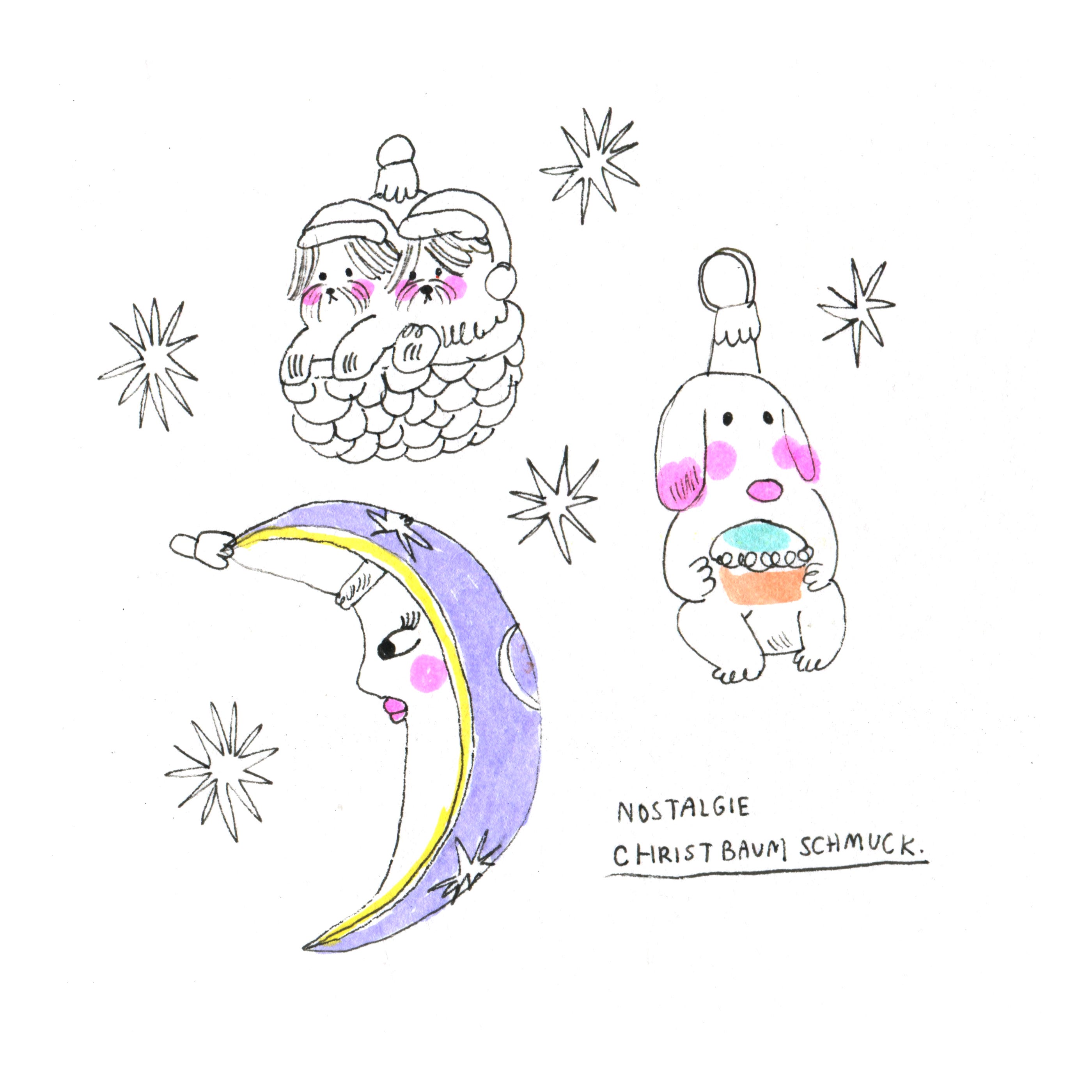
Excellent name, EXCELLENT ornaments.
I realized I had no idea how a glass ornament, especially the complicated ones, were made - so I watched this calming video about the process.
As we trudge towards the finish line of this year, I’ve been looking for other small things to help me feel festive.
Little Women
I have a fantasy that I will read Little Women every December to get me in the spirit, but I never have, not even once. I read the first chapter once though and I think about it all the time, especially during the holidays.
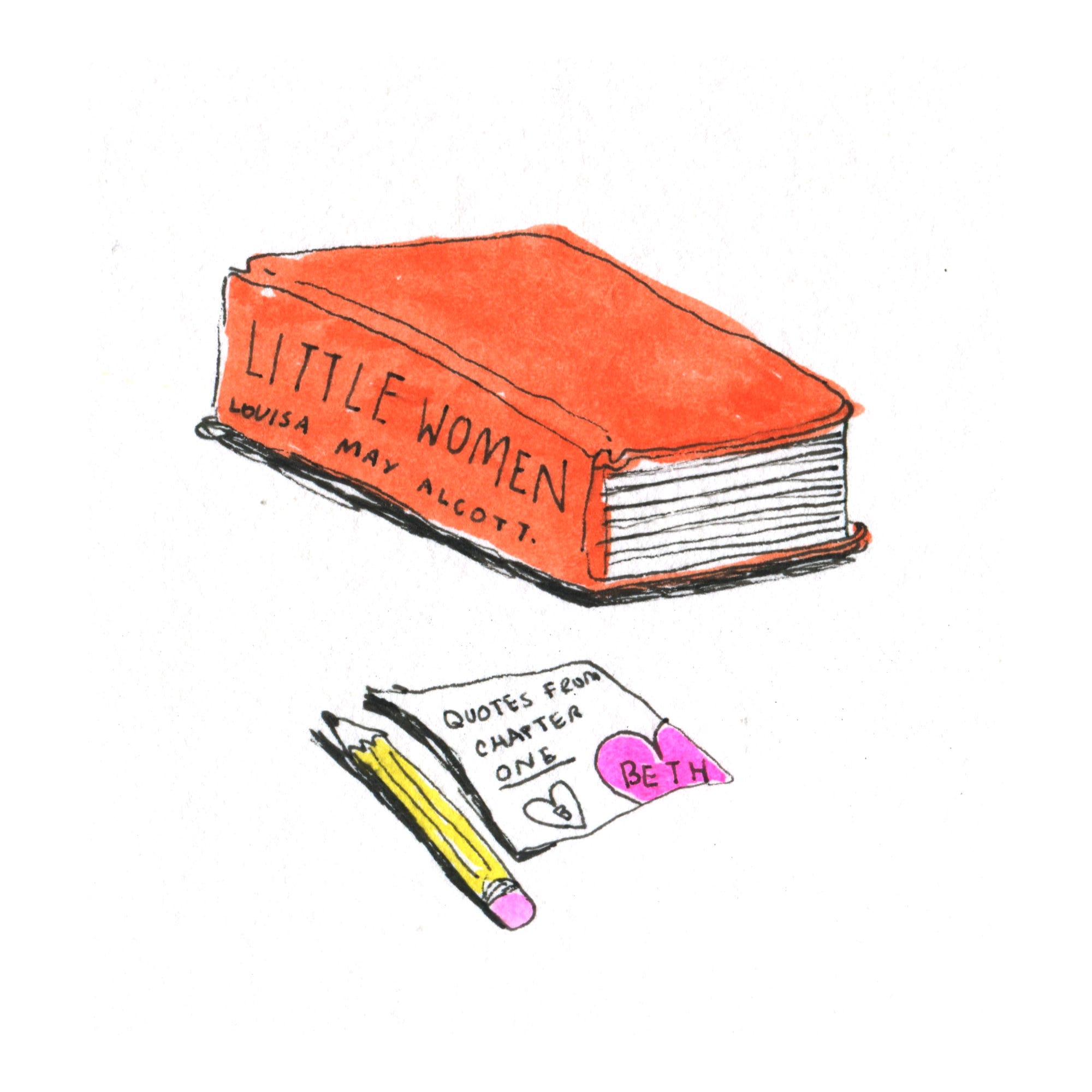
Mostly this quote, from Beth, about what she was planning to spend a small amount of money on:
“I planned to spend mine on new music,” said Beth, with a little sigh, which no one heard but the heath brush and the kettle holder.
And this other quote from Beth about her burdens:
“dishes and dusters, and girls with nice pianos, and being afraid of people.”
Beth, what an icon.
House and Garden UK
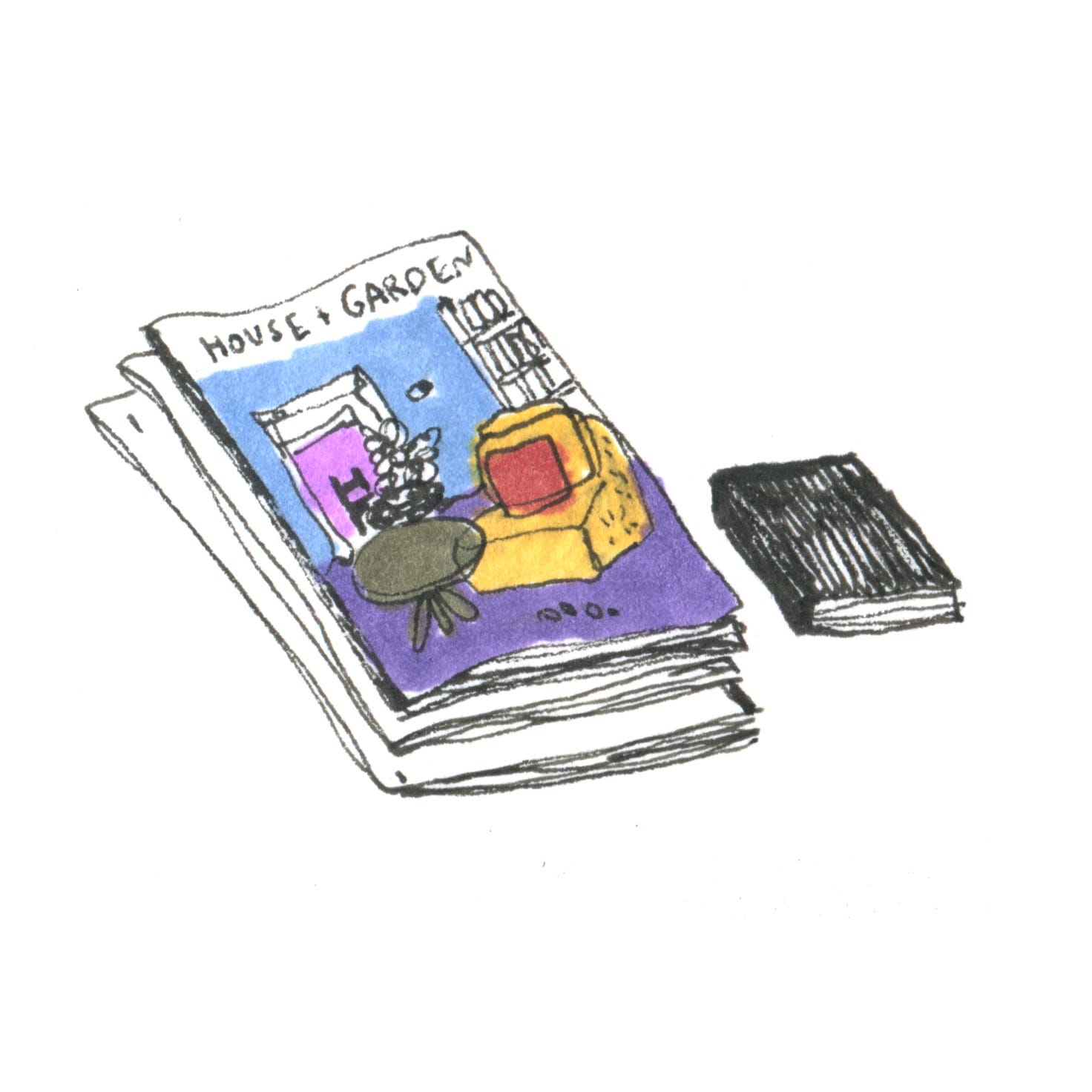
House and Garden UK makes me feel merry all year round. The magazine favours bright colours, ostentatious textiles and maximalism akin to…
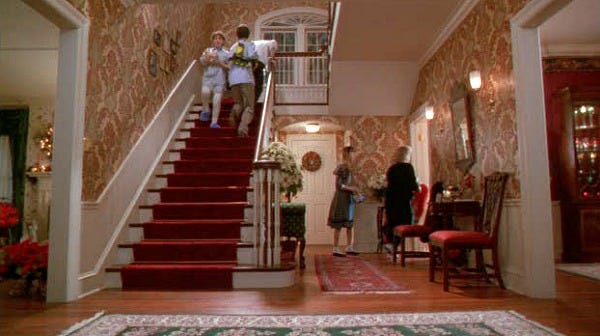
This the first image on their website →

But this video feels particularly jolly:
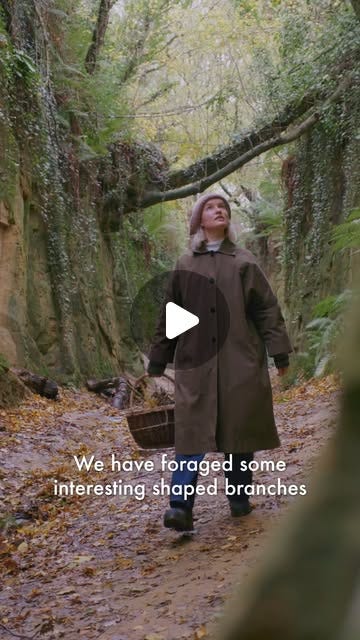
And made me want to ….
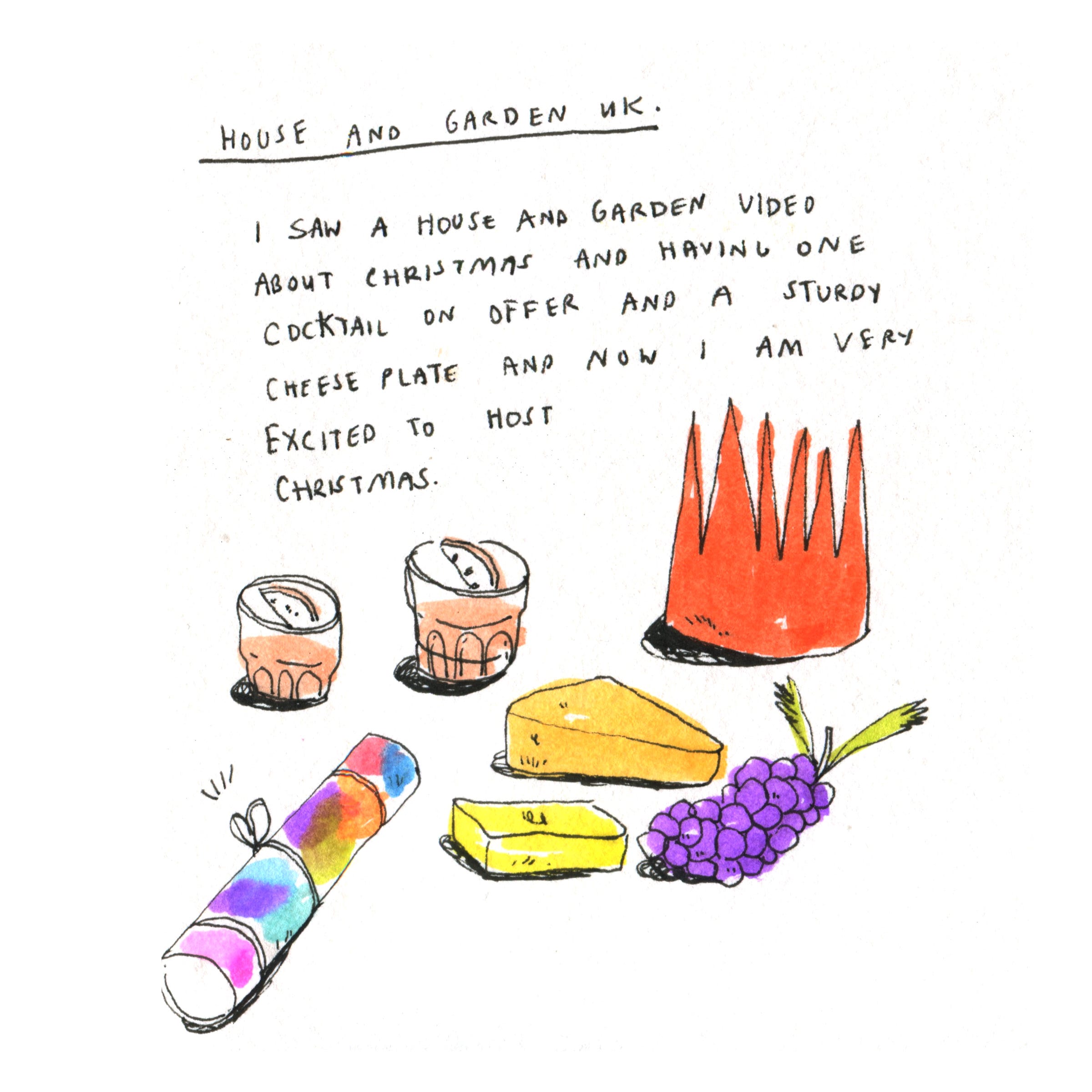
If anyone has any sturdy winter cocktails please let me know. Otherwise it’s mezcal negronis for everyone.
Sense and Sensibility
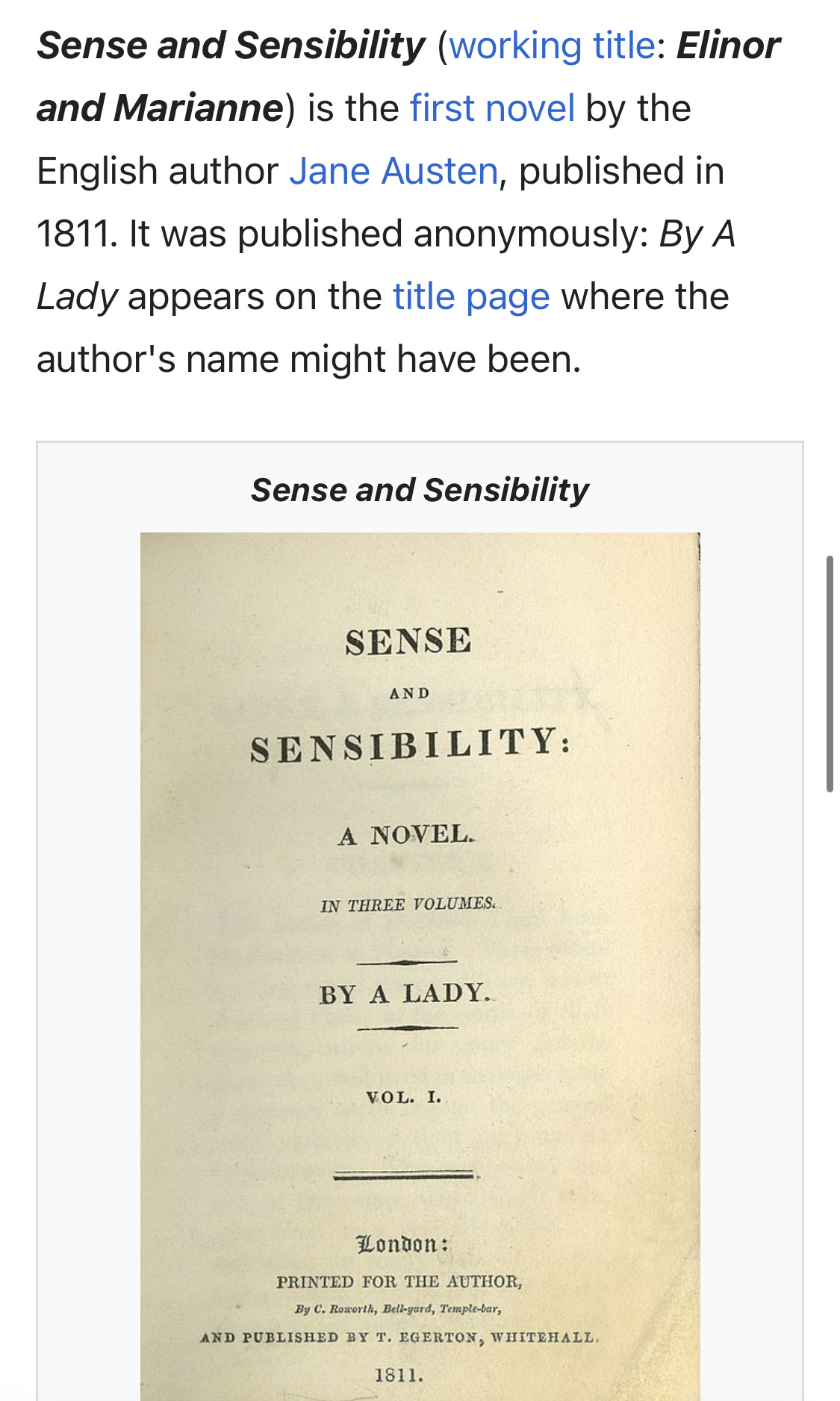
I snuck out to see the re-issue of Ang Lee’s Sense and Sensibility at the AMC last night and was very comforted to find that the screening was almost sold out. I brought some red wine in a thermos which is perhaps the smartest thing i’ve ever done. I think the woman next to me thought that I had brought tea - but I hadn’t.
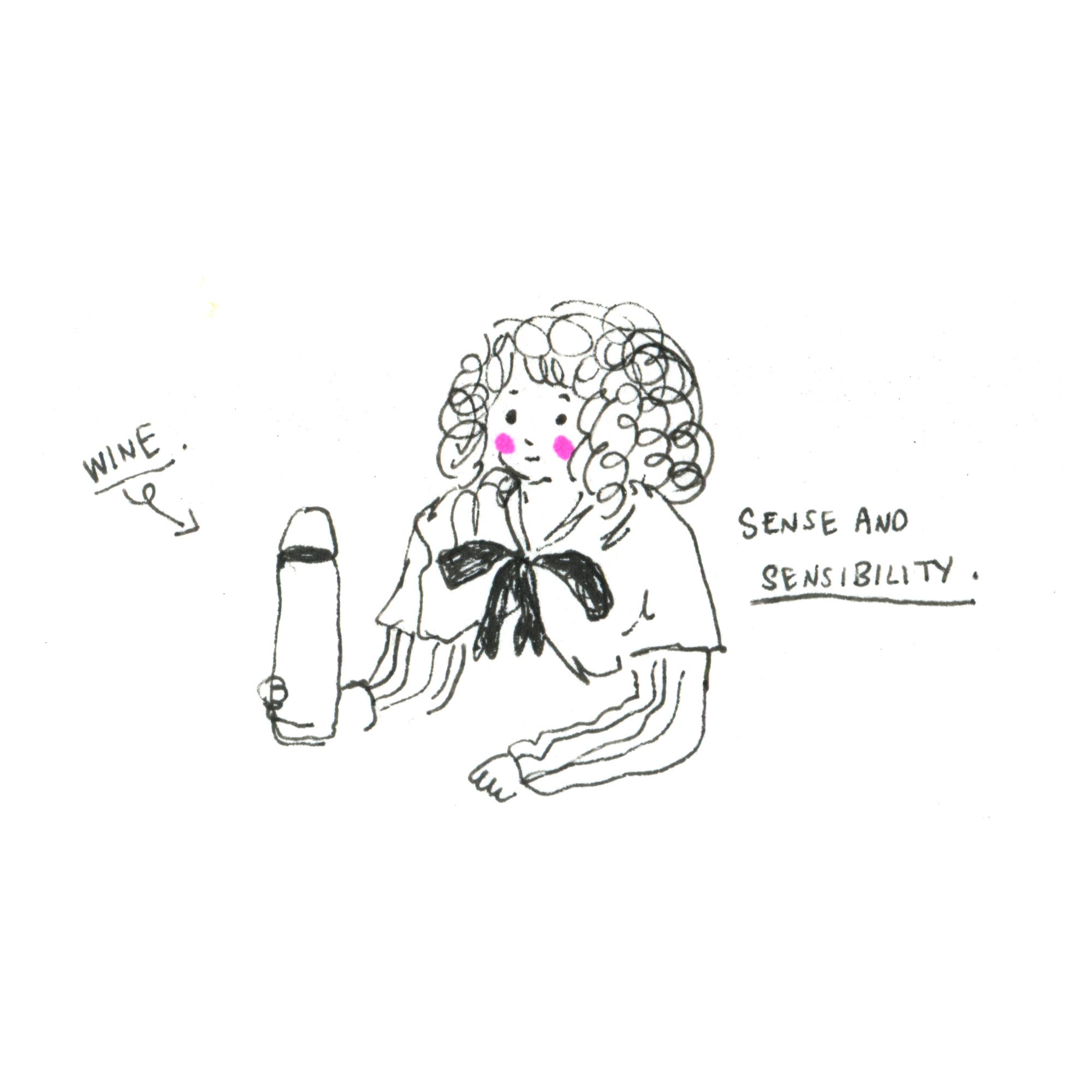
I also did not know this:
The Ghost of Christmas Past
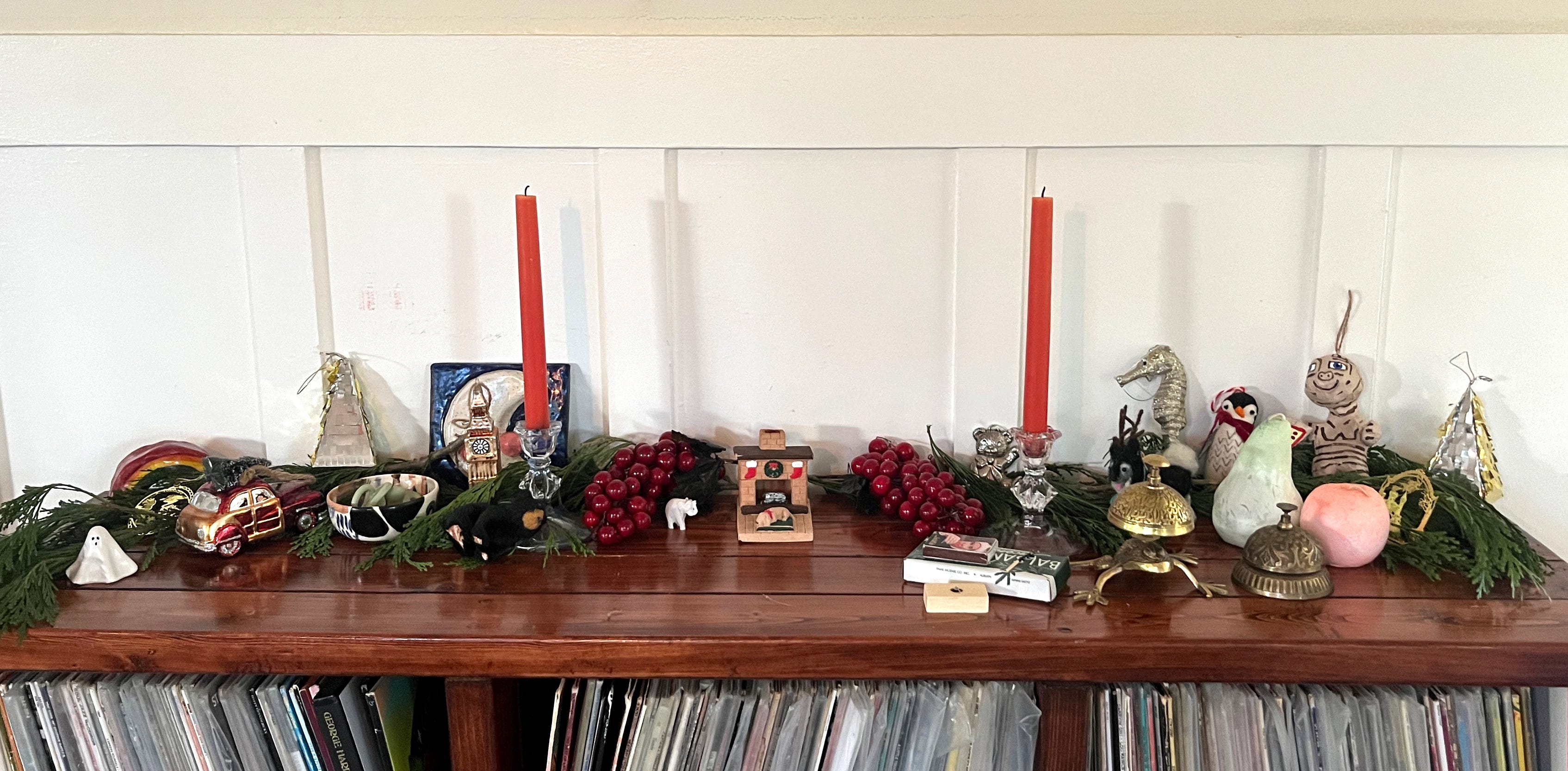
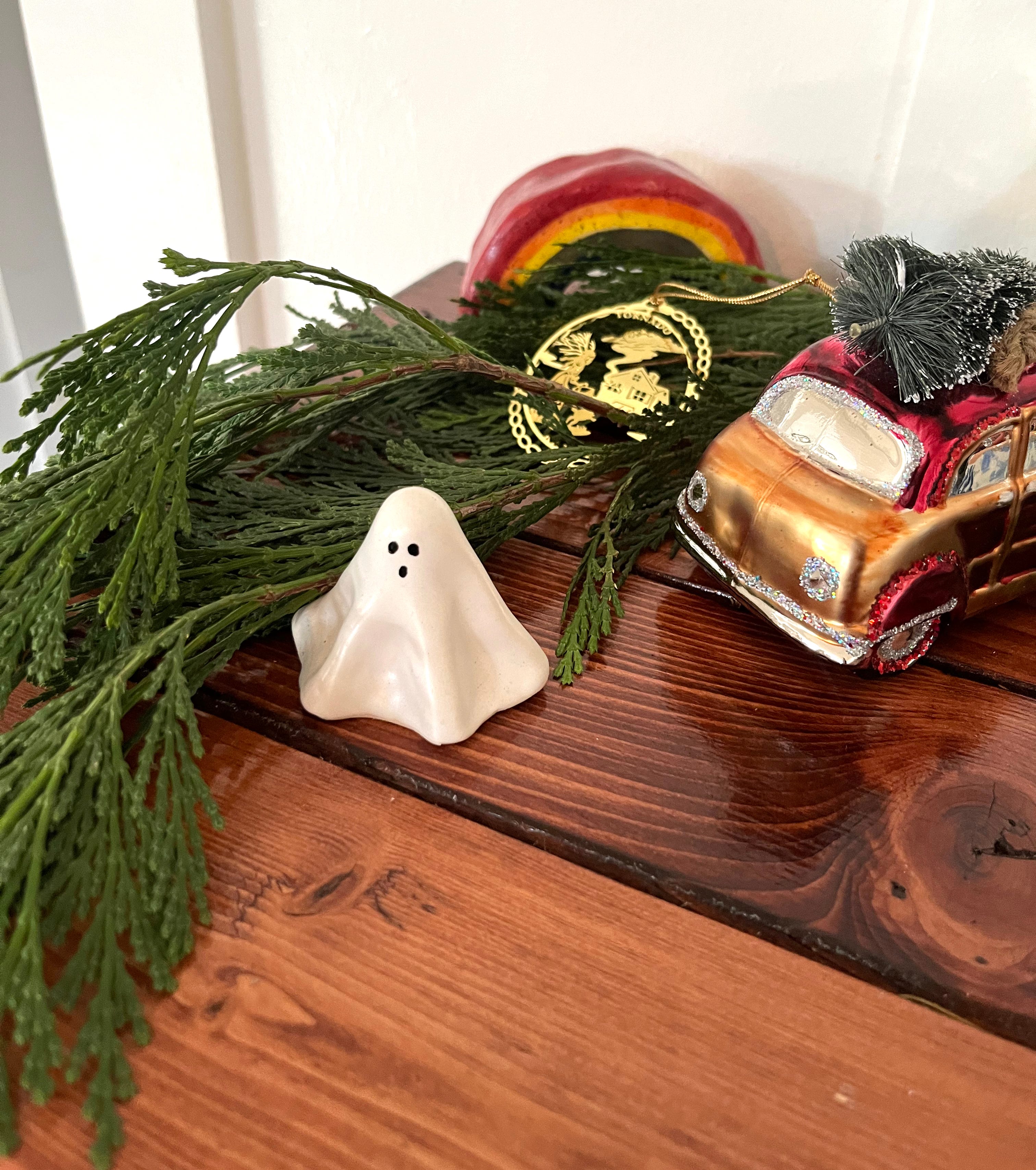
Instead of buying a tree, we’ve opted to decorate our mantels and surfaces with foliage cut from our garden, placing our decorations amongst the shrubbery.
This year I added a ghost because I remembered reading that telling Ghost Stories was once a Christmas tradition, especially in Victorian England.
A Christmas Carol
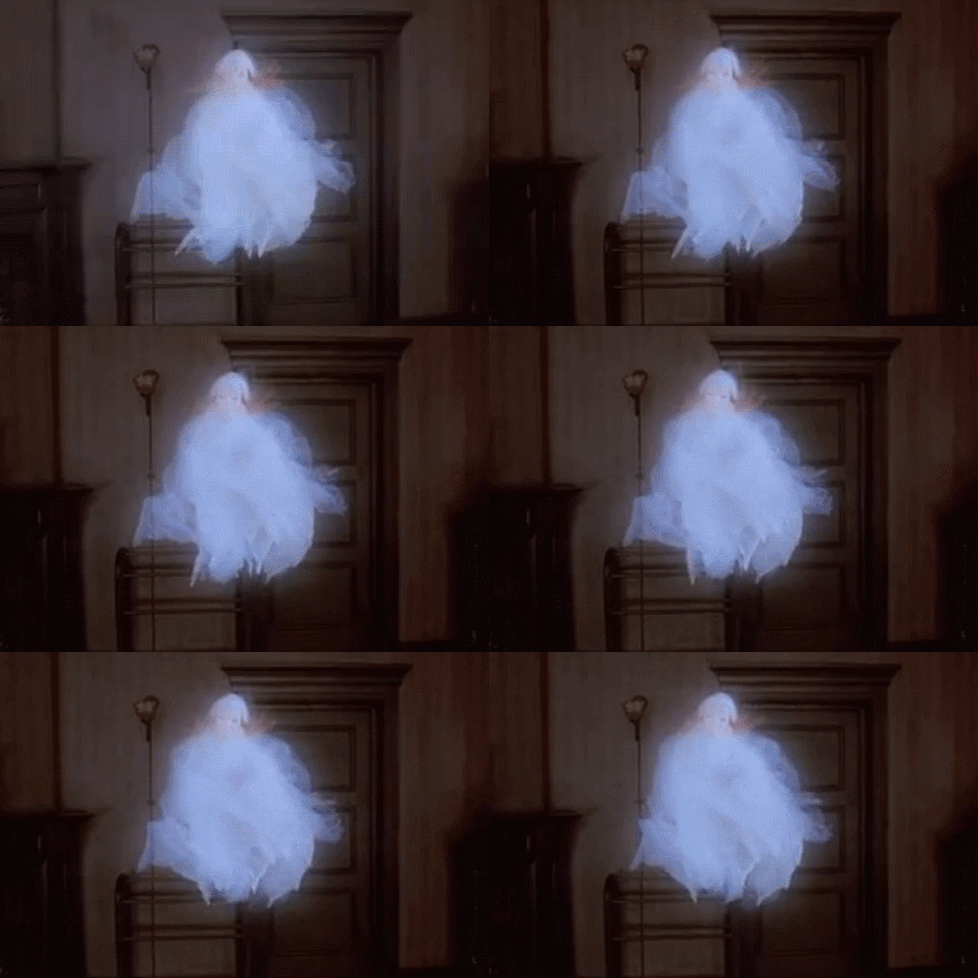
Which was precisely when Dickens published A Christmas Carol.
When Dickens was writing A Christmas Carol, English society was rapidly changing in response to the Industrial Revolution. England was changing from an agricultural society to one where many people were moving to the cities and working in factories.
A Christmas Carol rekindled people’s love of merriment and charitable giving during the holiday season, which had been in short supply during the Victorian era because everyone was working so hard.
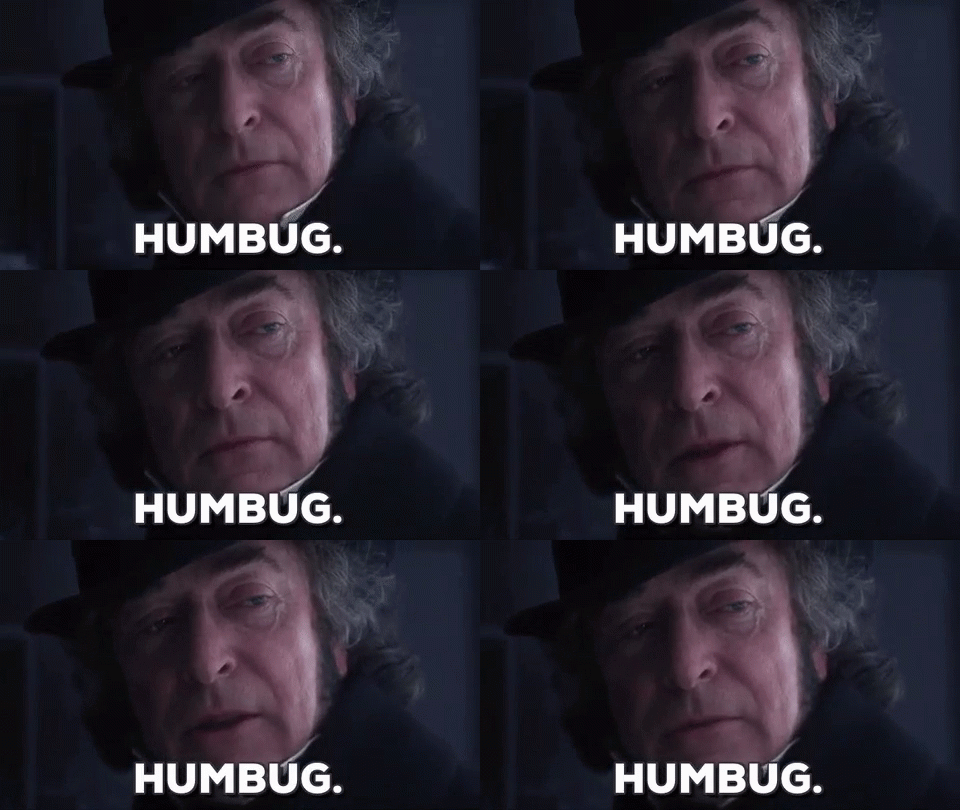
Dickens’ stated that the books main purpose was “the anatomization of humbug,” which traditionally means a hoax or jest. Scrooge is calling Christmas a hoax, and then the book goes on to unpack whether or not that is true (spoiler alert - Scrooge changes his mind):
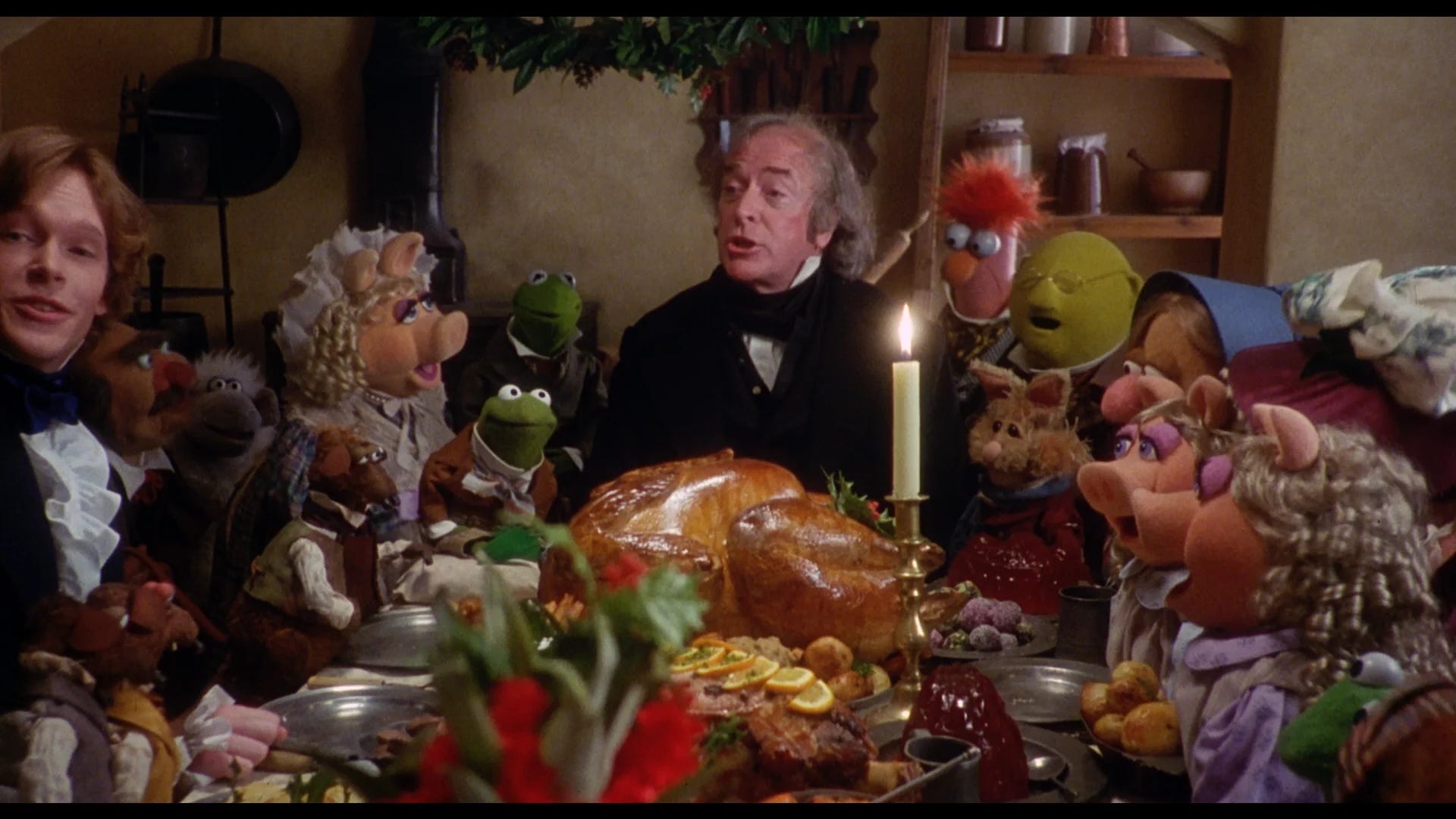
But the humbug wikipedia page lists alternate meanings for the word as well, which are all equally charming. Here are a couple of examples.
A modern conception is that it actually refers to a humming bug—i.e. something small and inconsequential, such as a cricket, that makes a lot of noise. In Norton Juster’s novel The Phantom Tollbooth, there is a large beetle-like insect known as the Humbug, who is hardly ever right about anything.
Charles Godfrey Leland, American humorist and folklorist, believes that the word could be derived from the Norse word hum, meaning ‘night’ or ‘shadow’, and the word bugges, a variant of bogey, meaning ‘apparitions.’
Which brings us back to ghosts. Thank goodness.
The Holly and The Ivy
When I was little, my dad told me that bringing greenery inside for the holidays was a pagan concept - for the winter solstice. Each green thing, it would seem, has its own lore and means of protection during the winter months.
I loved learning the story behind mistletoe:
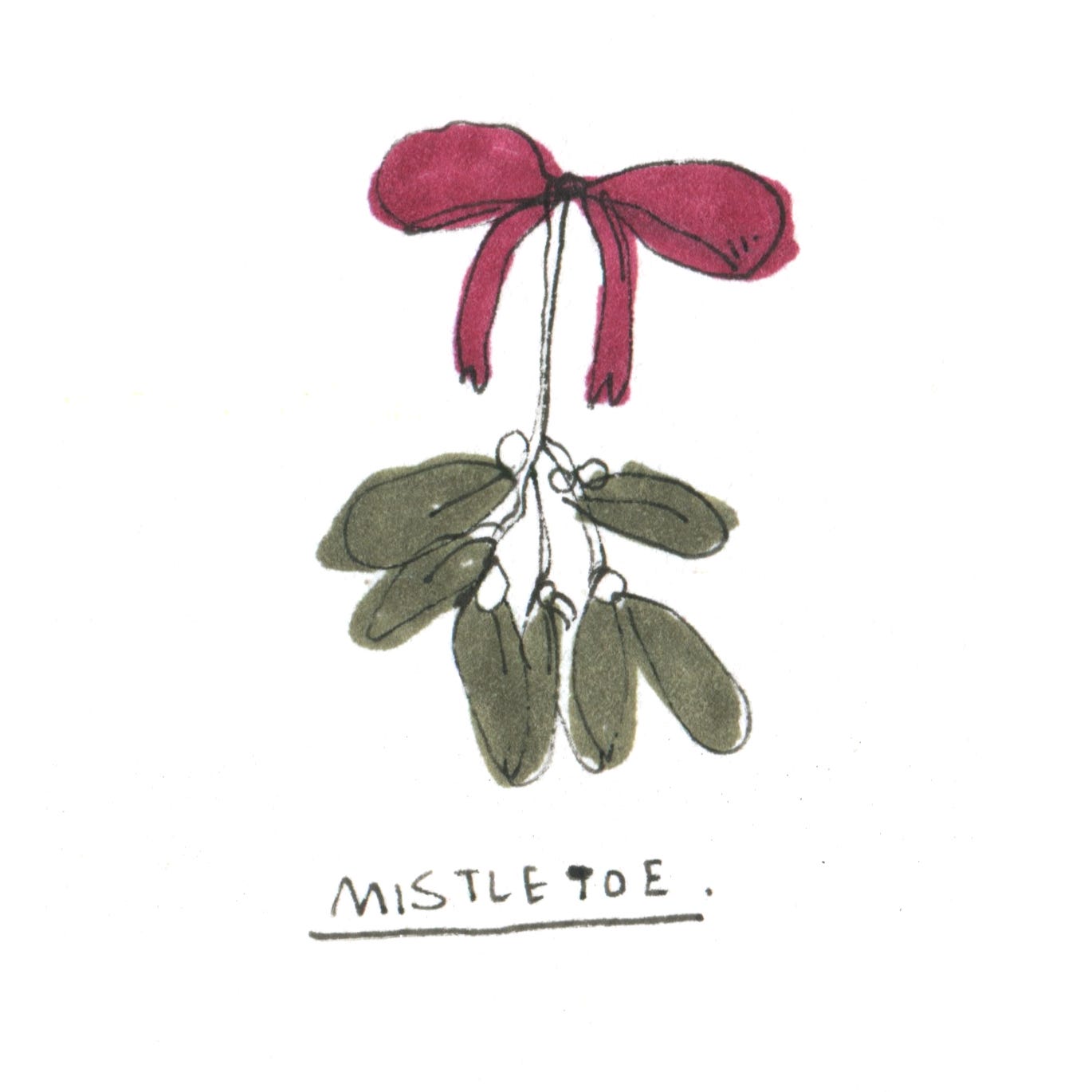
There was a time when the Norse god Balder was plagued with constant nightmares that foretold of his impending death. His mother Frigg, goddess of love and beauty, set out to protect her son by requiring every living thing on earth to swear an oath never to harm him. Only the mistletoe was not bound by Frigg’s decree – Frigg thought it was so small and harmless that she did not need to trouble herself with it.
The evil god Loki, jealous of Balder’s new invincibility, took advantage of the goddess’s oversight. He arranged for Balder to be shot with a tiny mistletoe twig which killed him instantly. As Frigg’s tears of grief fell like pearly white berries onto the mistletoe, the heartbroken mother declared that the plant would never again be used for death. Mistletoe would become a symbol of love, and whomever stood beneath it would receive a kiss.
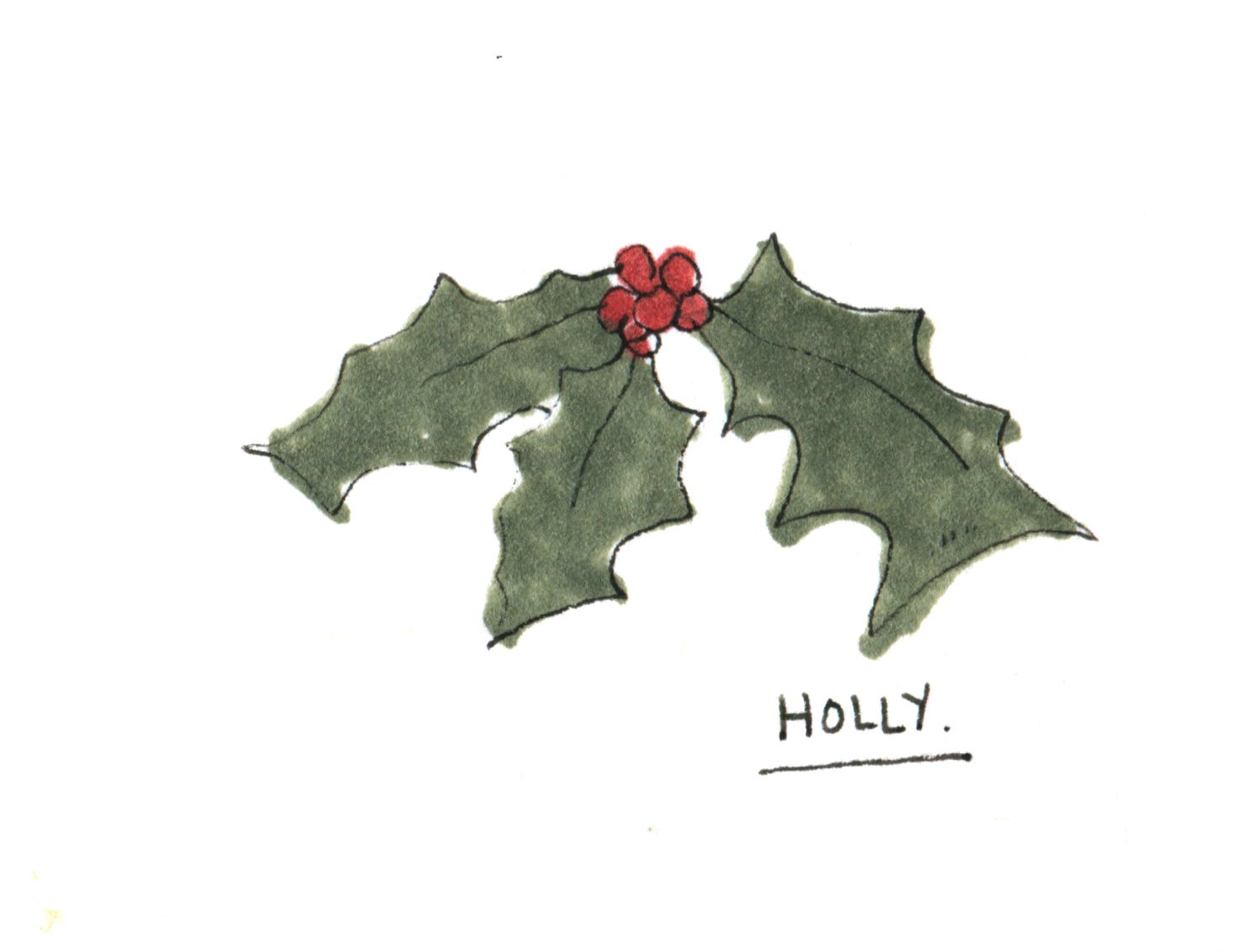
Due to its spiny nature, Holly is often used to protect plants from grazing animals, but it has also been thought to protect the home – the holly you put around the door acts as flypaper for fairies, trapping any evil spirits who try to enter.
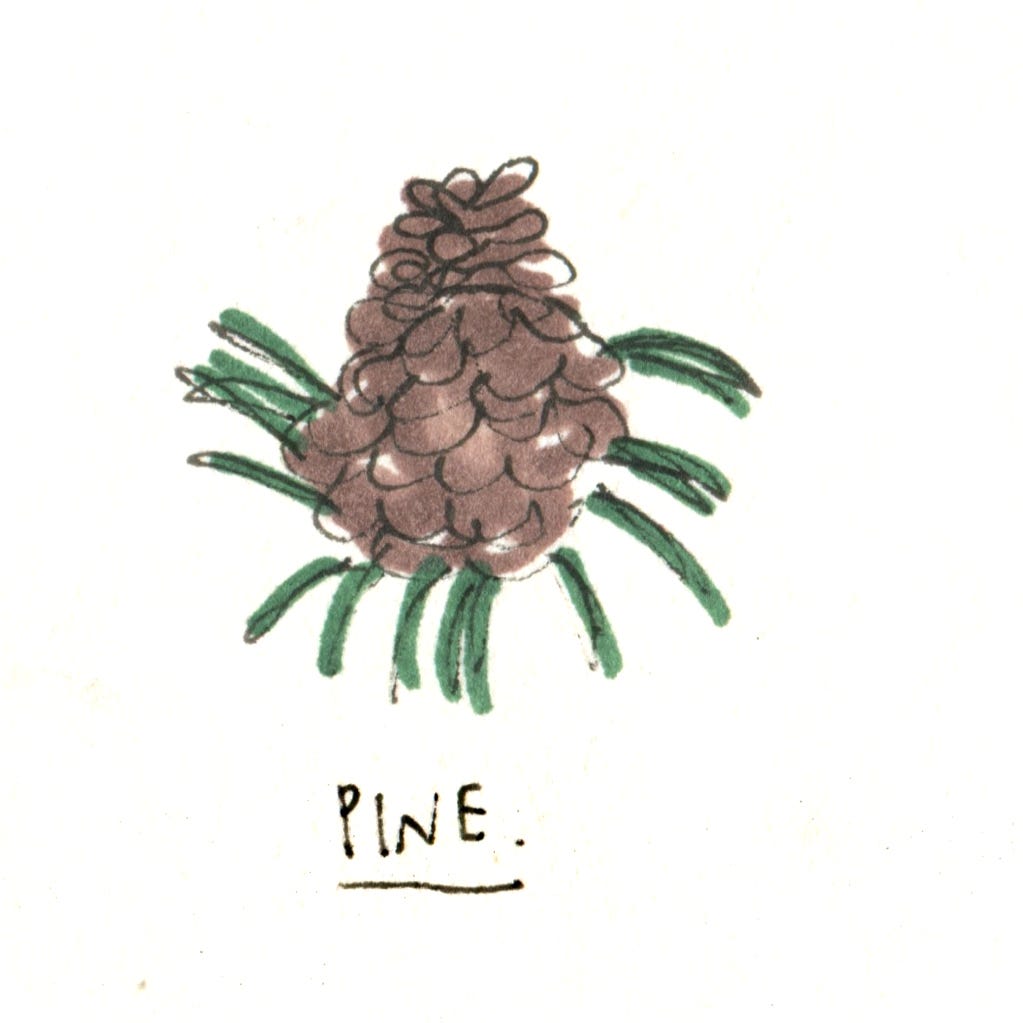
Pine is often used in rituals to ward off bad energy. And during the holidays:
Hanging pine boughs above doors and windows can create a barrier against malevolent forces and negative energy. Placing pinecones on windowsills and next to doors gives your house protection.
Which all makes sense if Christmas is full of ghosts, which it seemingly is.
Please share in the comments any activities, movies, books or rituals that get you in the festive spirit. Wait - festive spirit??? GHOSTS!
Do you know the BBC’s A Ghost Story for Christmas annual films? They were a thing in the 70’s and revived not that long ago by Mark Gatiss. I just had to Google for the correct name of the series and found a list of “Notable Films” from the series with charming synopsis-es like this: The Ash Tree (1975): A man inherits a family estate and confronts a sinister tree.
I love everything about this newsletter. Thanks for sharing all of these tidbits!